Slot machines have always been one of the most popular attractions in casinos, both online and offline. Their simple gameplay, vibrant visuals, and the ever-present chance of a big win make them irresistible to players worldwide. However, one question has fascinated gamblers for decades: can slot payouts be predicted? Many players claim to recognize patterns or believe they can “time” a machine to catch it when it’s ready to pay. But as enticing as that idea sounds, the reality lies in mathematics—and the math says something entirely different.
This applies equally to modern crypto slots, which operate on digital platforms powered by blockchain technology. Despite their high-tech transparency and provably fair algorithms, crypto slots function on the same fundamental principle as traditional slot machines: randomness. Each spin is an independent event, unaffected by what came before or after. No matter how sophisticated the system or how many spins you’ve played, there’s no reliable way to predict when a slot will pay out. Understanding the math behind these games not only clears up common misconceptions but also helps you play smarter and manage your bankroll more effectively.
The Mathematics of Randomness
At the core of every slot machine—whether mechanical, digital, or blockchain-based—is a Random Number Generator (RNG). This algorithm constantly produces random sequences of numbers, even when the game isn’t being played. Each spin you make triggers the RNG to select a number combination that determines the outcome instantly. The process happens thousands of times per second, which means the exact millisecond you press the spin button determines your result.
Because of this, predicting outcomes is mathematically impossible. Each spin is completely independent, meaning the results of previous spins have no effect on future ones. If a slot machine hasn’t paid out for a while, that doesn’t increase your chances of winning on the next spin. Similarly, if you’ve just hit a big jackpot, your odds remain exactly the same afterward.
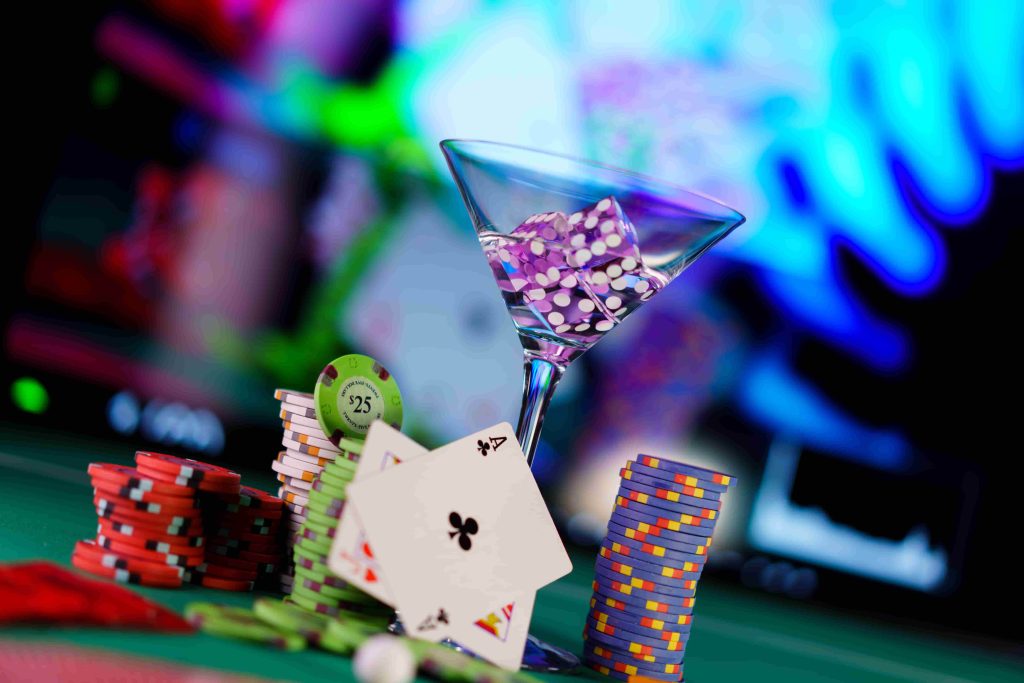
This independence of events is what statisticians call “memoryless probability.” It’s the same principle that applies to flipping a coin or rolling dice. No matter how many times a coin lands on heads, the next toss still has a 50/50 chance of landing on tails. In slot machines, every spin starts with the same probability distribution, unaffected by past data.
Crypto slots make this concept even more transparent through provably fair systems. Using blockchain verification, players can check and confirm that each game’s outcome is genuinely random and untampered with. These cryptographic proofs provide mathematical evidence that casinos can’t manipulate results, giving players peace of mind that they’re dealing with pure chance—not rigged algorithms.
Understanding RTP and Volatility
Although slot outcomes can’t be predicted, understanding two key metrics—Return to Player (RTP) and volatility—can give you insight into how a game behaves over time. RTP represents the theoretical percentage of total wagers that a slot pays back to players over millions of spins. For example, a slot with an RTP of 96% is designed to return $96 for every $100 wagered on average. This doesn’t mean you’ll always get that exact amount, but it reflects the game’s long-term performance.
Volatility, on the other hand, measures the frequency and size of payouts. Low-volatility slots offer frequent but smaller wins, while high-volatility slots produce larger payouts that occur less often. Choosing a game that matches your risk tolerance is essential for managing your bankroll and maintaining a sustainable playstyle.
For example, if you have a limited budget and want longer play sessions, low-volatility slots are a better choice. If you’re chasing big jackpots and can handle extended losing streaks, high-volatility games might suit you better. Understanding these mathematical principles helps you make informed decisions rather than relying on luck or superstition.
Crypto slots, in particular, often display RTP and volatility information directly in the game interface. Because of blockchain transparency, these figures are verified and accessible, offering players more confidence in the fairness and reliability of the system.
The Truth About “Hot” and “Cold” Machines
One of the most persistent myths in slot gaming is the belief in “hot” and “cold” machines. Players often assume that a slot that hasn’t paid out recently is “due” for a win, or that a machine that just hit a jackpot will go “cold” for a while. While this kind of thinking feels intuitive, it’s mathematically false.
Every spin on a slot machine is independent, governed solely by random number generation. The game doesn’t keep track of past results, and it doesn’t have a built-in cycle for wins or losses. The idea of a “due” payout comes from the human brain’s tendency to seek patterns in randomness, a phenomenon psychologists call the “gambler’s fallacy.” In reality, each spin has exactly the same odds as the one before it.
Slot machines—especially those running on modern RNG systems or blockchain networks—are designed to prevent predictability. Even if you could record thousands of spins, the randomness would still remain statistically consistent. The odds don’t shift based on history or player behavior; they only depend on the fixed mathematical model of the game.
If you want to improve your experience, focus on what you can control: your bankroll, game selection, and pacing. Setting spending limits, choosing games with high RTP, and playing for entertainment rather than expectation all contribute to a more enjoyable and sustainable experience.
In conclusion, while the allure of predicting slot payouts is understandable, the math behind these games leaves no room for certainty. Whether you’re spinning traditional reels or diving into the world of crypto slots, every outcome is driven by random probability. The best players aren’t those who try to beat the system—they’re the ones who understand it, respect it, and play responsibly within its rules. Randomness may make winning unpredictable, but it’s also what keeps every spin exciting, fair, and full of possibility.